BCBA-led ABA care across Northern & Central New Jersey

What Is ABA?

Understanding Modern Applied Behavior Analysis

A closer look at how individualized, evidence-based ABA can support meaningful skill development and greater independence in everyday life.

What is Applied Behavior Analysis (ABA)?

Applied Behavior Analysis (ABA) is an evidence-based approach to understanding behavior and how people learn. ABA uses principles of learning and behavior to help individuals develop skills that are meaningful and useful in their everyday lives.

At SKC Learning, ABA is never one-size-fits-all. Each learner's program is individualized around their strengths, needs, interests, and goals, with a focus on skills that can make a meaningful difference at home, at school, and in the community.

Positive reinforcement is an important part of our approach. We strive to create learning experiences that are engaging, respectful, and motivating, while giving learners opportunities to practice skills in the environments where they naturally occur.

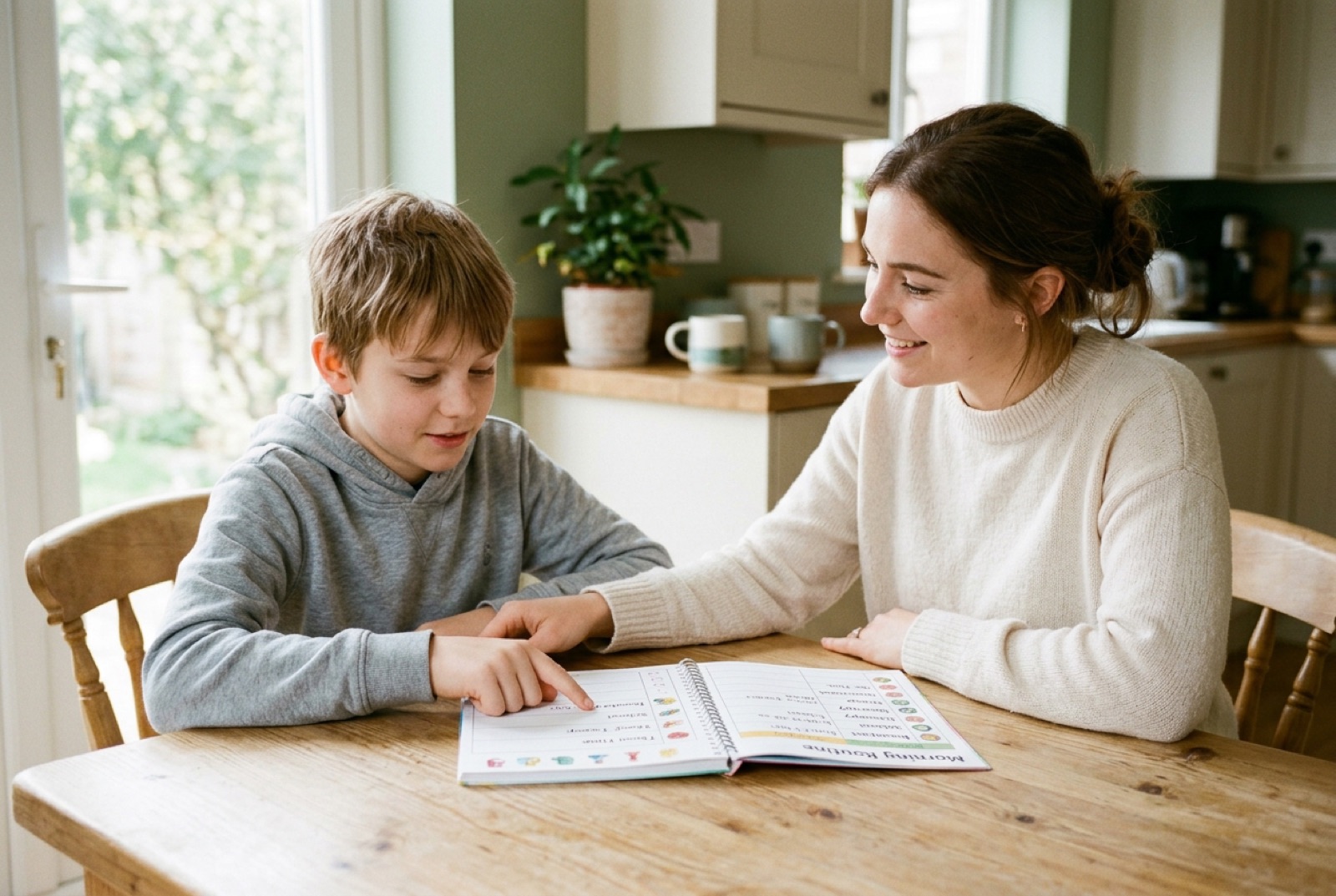
A therapist and pre-teen learner review a visual routine planner together at a kitchen table.
How We Teach

Every learner is different—and the way we teach should reflect that.

Our BCBAs select and adapt teaching strategies based on the individual learner, the skill being taught, and where that skill will ultimately be used. Treatment may include both structured teaching and learning opportunities embedded naturally throughout everyday activities.

Natural Environment Teaching (NET)

Natural Environment Teaching incorporates learning opportunities into play, preferred activities, conversations, and everyday routines. By teaching skills in meaningful contexts, learners have opportunities to use what they are learning beyond the therapy table.

This might include requesting help while completing an activity, practicing flexibility when plans change, taking turns during a game, initiating or responding during a conversation, or completing steps of an everyday routine.
Structured Teaching

Some skills benefit from a more structured approach. Complex skills can be broken into smaller, achievable steps and taught using clear instructions, individualized prompting, repeated opportunities for practice, and reinforcement.

Structured teaching may be used for communication and language skills, following multi-step directions, daily living skills, academic-readiness skills, or other individualized treatment goals.

What Does an In-Home ABA Session Look Like?

There is no single “typical” SKC Learning session.

Sessions are designed around the learner's individualized treatment plan and may look different depending on their age, goals, interests, and family routines.

A session may include time spent building rapport and engagement, working on individualized communication or social goals, practicing independence with daily routines, developing flexibility and self-management skills, or learning through games and preferred activities.

Most importantly, skills are practiced where they matter. Providing services in the home allows our team to work within the learner's natural environment, helping skills become functional and meaningful in everyday life.

Caregivers are also an important part of the process. Our BCBAs collaborate with families to help strategies and skills carry over beyond therapy sessions and into daily routines.

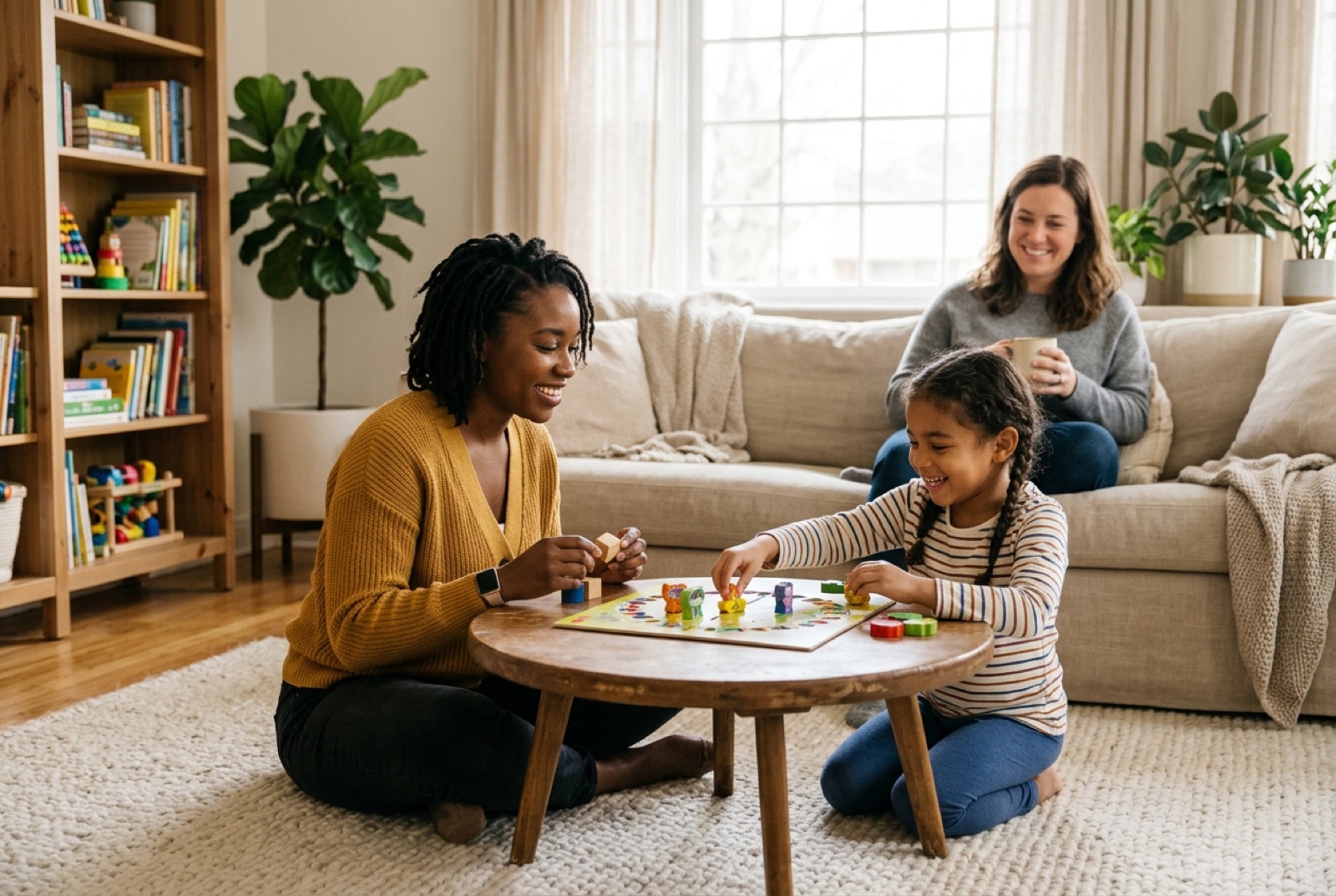
A therapist and young child play a turn-taking game on the living room rug while a parent watches from the couch.
Our Approach to Neurodiversity

We support growth without trying to change who a learner is.

Our goal is not to make children appear more “typical” or to eliminate behaviors simply because they look different.

We focus on skills that are meaningful, functional, and socially significant for the individual learner—including communication, self-advocacy, independence, flexibility, daily living skills, and navigating everyday environments.

We want every learner to have more ways to communicate what they need, advocate for themselves, participate in the things that matter to them, and experience greater independence in everyday life.

Will this skill make a meaningful difference in this learner's everyday life?

Have questions about whether ABA is right for your learner?

We're happy to talk it through. A complimentary consultation is simply a conversation about your family's priorities and possible next steps.